
The Silence After Crisis
This Is Going to HurtThis flow traces the gap between traumatic events and meaningful support, showing how silence becomes part of medical practice.
increasing Bearing strength in each event
 decreasing
Bearing strength in each eventdecreasingThe Hospital Sends Him Home
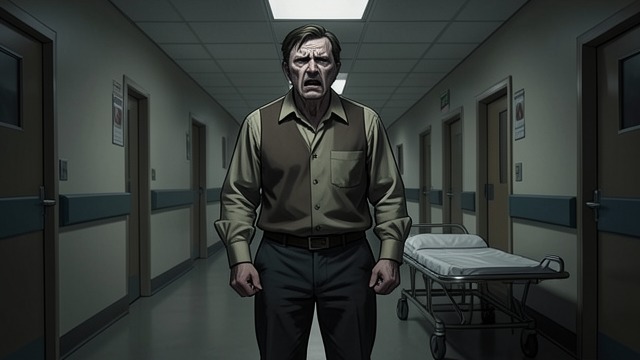
The Hospital Sends Him Home
Immediate kindness
After the catastrophic birth, colleagues tell Kay that it was not his fault and send him home. Their reassurance is sincere, but it does not give him a way to process what happened.
The next shift remains
Others ask whether he is okay, yet the work still expects him to return the next day. The system treats an extraordinary crisis as something that must fit inside an ordinary rota.
The Unspoken Standard
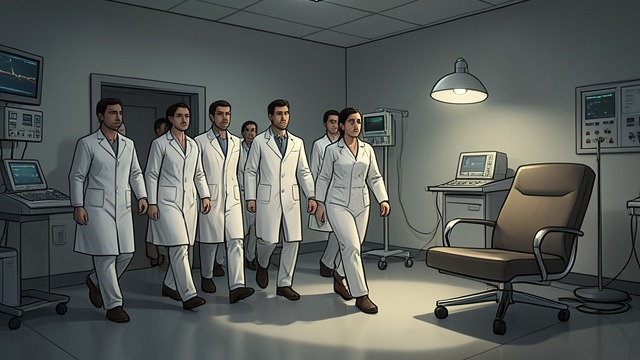
The Unspoken Standard
Continuing as usual
Kay sees that no one is being deliberately cruel; the problem is that bad events happen too often for extended recovery to be built into staffing. A doctor cannot wear black or take a month off each time something goes wrong.
Silence reinforced
The workplace’s ordinary pace encourages clinicians to conceal distress and carry on. The absence of explicit blame does not amount to meaningful support.
The Private Failure Story
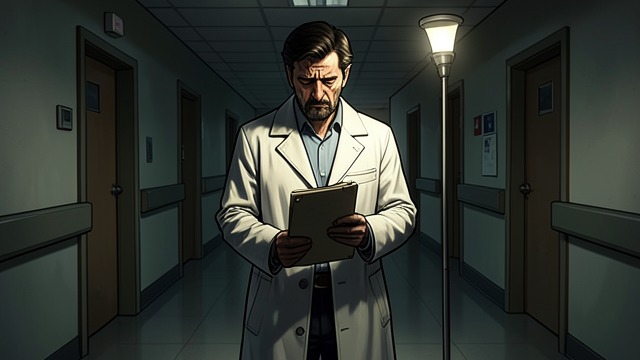
The Private Failure Story
A personal verdict
Kay believes he was the person everyone turned to and that he failed, despite knowing no rule was broken. He repeatedly imagines how the tragedy might have been prevented.
Isolation grows
Because he cannot reconcile the outcome with colleagues’ reassurance, he keeps the burden to himself. His private account of the event becomes more powerful than the evidence that the decisions were reasonable.
No One to Talk To
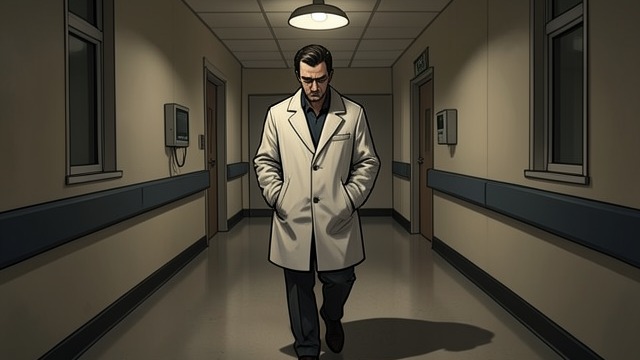
No One to Talk To
Support missing
Kay later says he should have been able to speak with someone and that the hospital should have ensured it happened. Instead, he encounters a code of silence.
Damage hidden by competence
He keeps working and performs the outward role of a doctor, but no longer laughs sincerely. Continued attendance conceals deterioration rather than demonstrating recovery.
The Bus Metaphor
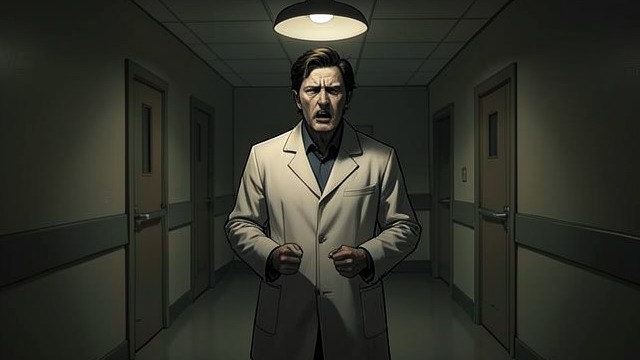
The Bus Metaphor
Tragedy treated as inevitable
Kay recalls a senior doctor telling students that a bus of dead or brain-damaged children will carry the doctor’s name. The warning presents catastrophe as an unavoidable occupational burden.
A damaging lesson
The statement may prepare some clinicians, but it also suggests that distress means someone is in the wrong job. Kay wonders whether hearing it earlier might have changed his decision to become a doctor.
5 December 2010
The day after the emergency
The weeks after 5 December 2010
The following six months
After Kay leaves medicine
